A 45-Minute Beginner Figure Skating Practice
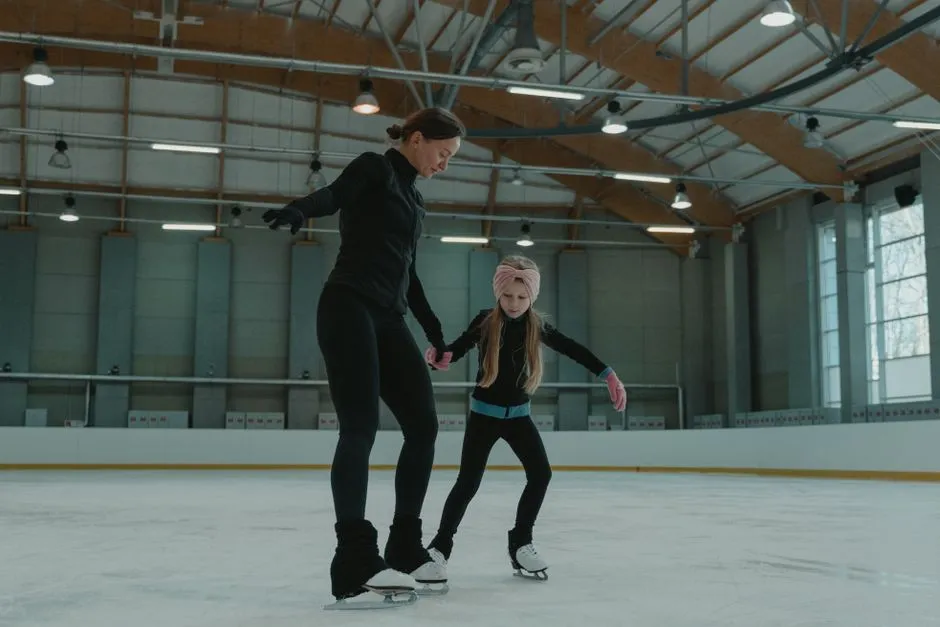
- Practise taught fundamentals, not new internet elements
- Minutes 0–5: inspect and observe
- Minutes 5–12: warm up off ice
- Minutes 12–20: establish balance and traffic awareness
- Minutes 20–30: one assigned skill
- Minutes 30–40: link a second skill
- Minutes 40–45: finish easier than the peak
- Care for the skates and yourself
Practise taught fundamentals, not new internet elements
Use a 45-minute beginner figure-skating practice as 5 minutes for equipment and rink checks, 7 minutes for an off-ice dynamic warm-up, 8 minutes for on-ice balance and easy stroking, 10 minutes for one instructor-assigned skill, 10 minutes for a second skill or linked pattern, and 5 minutes for an easy finish and notes. The total is 45 minutes.
This plan reinforces skills already taught by a qualified instructor. It does not teach jumps, spins, falls, or recoveries through text. Use the session type permitted for your level and follow the rink, club, coach, and program rules.
Minutes 0–5: inspect and observe
Check laces, hooks, boot structure, blade mounting, edges, clothing, gloves, and any required safety equipment. Remove hard guards before stepping onto the ice. Never skate on loose blades, separated soles, cracked components, or other visible damage; ask a skate technician.
Look at the session before joining. Which direction is traffic moving? Where are lessons, programs, jumps, and spins occurring? What right-of-way and music rules apply? Public sessions, beginner practice, and figure-skating freestyle sessions can have different admission and behavior rules.
U.S. Figure Skating describes Learn to Skate programs as a safe introduction using a fundamentals curriculum, and its program finder can help U.S. skaters locate instruction. Other countries use their own governing bodies and programs.
Minutes 5–12: warm up off ice
Use comfortable walking or marching, gentle changes of direction, ankle movement, knee bends, arm swings, and other dynamic movements approved for you. Build warmth gradually. Avoid forcing end-range stretches on cold muscles or adding exercises because an elite skater posted them without your medical history attached.
Skaters returning from injury, managing pain, pregnant, disabled, or living with a health condition should use individualized guidance from appropriate healthcare and skating professionals. Stop for pain, dizziness, unusual breathing difficulty, chest symptoms, or feeling unwell, and follow the rink's emergency process.
Minutes 12–20: establish balance and traffic awareness
Enter only at the designated place when clear. Begin with easy marching, two-foot glides, controlled dips, or forward stroking at the level taught. Keep the knees softly bent, eyes up, arms comfortable, and speed low enough to stop using the method you know.
Repeat short lengths with space between skaters. Look before changing direction or crossing the rink. Do not stop in an active lane, stand at the boards near an entry, use a phone while moving, or skate against traffic. Awareness is a skating skill; unfortunately, it receives no sequins.
The Skate Kit category covers blade care, clothing, fit, and equipment checks.
Minutes 20–30: one assigned skill
Choose one item from the most recent lesson: perhaps controlled forward glides, swizzles, stroking, a taught stop, or another curriculum skill approved by the instructor. Recall one or two cues from the lesson rather than inventing six.
Use a simple cycle:
- Make three controlled attempts.
- Pause off the traffic line.
- Name one observable result.
- Adjust one cue.
- Make three more attempts.
An observable note sounds like “my feet came together before the glide ended,” not “I am terrible at skating.” The first can guide the next attempt. The second mainly auditions for a very gloomy sports documentary.
If a skill repeatedly feels unsafe or unrecognizable, stop drilling it and ask the coach at the next lesson. Do not increase speed to force success.
Minutes 30–40: link a second skill
Select a compatible skill or short pattern: controlled stroking into a glide, swizzles followed by a taught stop, or a simple sequence assigned by the instructor. Keep the pattern compact and out of high-traffic areas. Practise both directions only when they have been taught and space permits.
The goal is a calm transition, not a miniature program. Give other skaters predictable paths and comply with the session's music and right-of-way conventions. Advanced skaters can travel rapidly; beginners should remain alert without making sudden diagonal escapes.
More structured sessions live in Practice Ice.
Minutes 40–45: finish easier than the peak
Return to comfortable forward movement and an established stop. Lower intensity, leave the ice at the designated point, and put on hard guards before approved off-ice walking. Cool down according to personal needs and rink space.
Write three lines:
- one skill practised;
- one cue that helped; and
- one question for the instructor.
Do not measure the session only by falls or by whether a skill suddenly looked finished. Track control, awareness, repeatability, and useful questions. Some practices consolidate; others reveal the exact wobble that needs teaching. Both moved the work forward.
Care for the skates and yourself
Dry blades and metal mounting areas immediately, remove hard guards, and use soakers only for transport before airing the skates. Let boots dry naturally away from direct heat. Check for damage before the next session.
For minor falls without symptoms, follow the instructor and rink procedure. For a head impact, significant pain, inability to bear weight, confusion, worsening symptoms, or any emergency concern, stop skating and obtain appropriate assessment. Follow local concussion and return-to-sport requirements; do not resume because the remaining ice time has already been paid for.
Qualified coaching, a well-fitted setup, and many controlled repetitions make the foundation. The dramatic music can wait. It has not read the traffic rules either.