How to Choose Your First Figure Skates
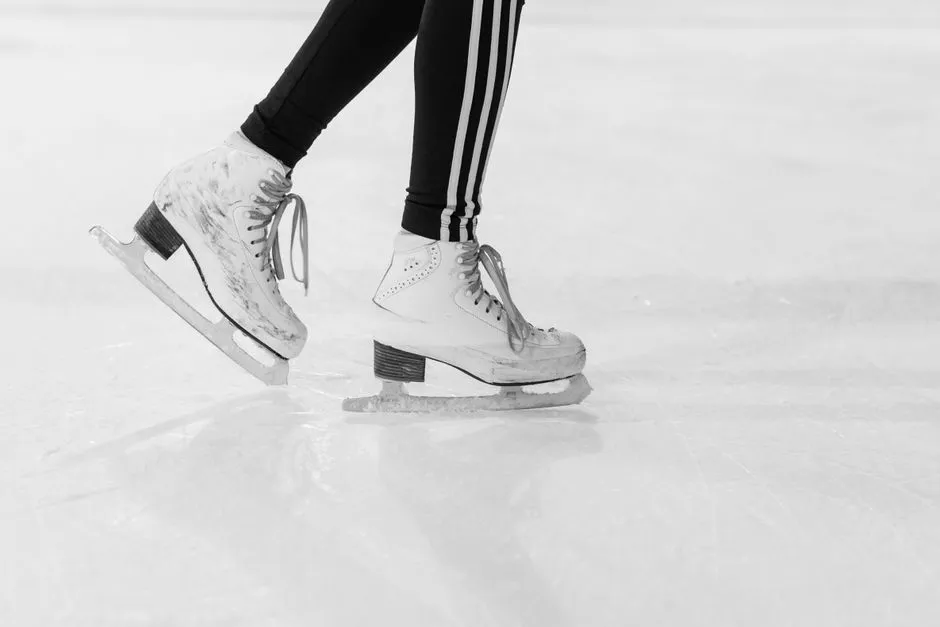
Fit comes before brand, color, and future ambition
Choose first figure skates by starting in rental equipment for initial lessons, then visiting a reputable figure-skate fitter when regular skating makes ownership useful. The fitter should measure both feet, assess width, heel hold, volume, current level, body and ankle needs, skating frequency, and instructor guidance. Buy the least advanced boot-and-blade setup that fits securely and supports the skills being learned.
Best for the first few sessions: maintained rink rentals in the correct type and best available fit.
Best for a committed beginner: an entry-level figure-skating package chosen and adjusted by a knowledgeable fitter.
Best used option: a lightly used pair inspected for fit, boot structure, mounting, blade life, rust, and damage by a qualified skate technician.
The wrong skate at a discount is still the wrong skate, only now it has a coupon and opinions about your toes.
Compare the starting routes
| Route | Best for | Why it can work | Worth knowing |
|---|---|---|---|
| Rink rental | First lessons and uncertain commitment | Low upfront cost and easy size changes | Fit, sharpening, and condition vary |
| Recreational figure skate | Occasional public sessions | Comfortable, simple complete package | May not suit structured skill progression |
| Beginner figure package | Regular lessons and practice | Boot and blade are designed as a starting system | Model and stiffness still require fitting |
| Used beginner skate | Budget with expert inspection | Can offer a suitable setup for less | Previous molding, breakdown, rust, and blade wear matter |
| Separate boot and blade | Specific fit or instructor-led need | More configuration choices | Usually unnecessary complexity for a first purchase |
Do not choose a hockey skate because it shares the rink. Figure and hockey skates have different boot and blade designs, balance, and purposes. Use the skate type required by the class and ask the instructor or program before buying.
Bring the socks and information you will skate in
Wear the thin skating socks or tights normally used, not several thick pairs intended to rescue a large boot. Bring orthoses or other approved foot devices and explain pain, injury history, disability-related needs, growing feet, lesson level, practice frequency, and budget. For a child, let the fitter account for growth; do not independently add large “growing room” that allows the foot to slide.
Both feet should be measured because they may differ. The heel should stay controlled, the toes should not be crushed or curled, and the foot should not move around as the knee bends. Fit sensations and boot shapes vary, so a written “true to size” review cannot replace trying the actual pair.
Pain, numbness, tingling, loss of circulation, or pressure that worsens is not a normal rite of passage. Stop, remove the skates safely, and return to the fitter; seek healthcare advice for persistent symptoms or injury concerns.
More equipment decisions live in Skate Kit.
Match support to present skills
Boot stiffness is not a simple ladder in which the highest number wins. Too little structure may fail to support the intended use, while a boot that is too stiff for the skater can interfere with knee and ankle movement and be difficult to break in appropriately. Manufacturers use different systems, and recommendations depend on the person.
Tell the fitter the exact curriculum level and skills currently assigned. Ask the instructor whether the proposed setup suits that stage. U.S. Figure Skating's current Learn to Skate overview describes a standardized fundamentals pathway for different ages, abilities, and disability pathways; equipment should serve the actual pathway, not a hypothetical double jump several seasons away.
Inspect boot, blade, and mounting together
Check that the pair is new or accurately described, left and right sizes match the agreement, eyelets and hooks are secure, stitching and soles are intact, and the blade mount is straight and appropriate. Ask what adjustments, heat molding, sharpening, exchanges, and follow-up are included. Heat molding should follow the manufacturer's process and be performed by a qualified shop when specified—an oven experiment at home can damage boots and warranties.
New blades generally need professional sharpening before use according to the product and skater. Tell the technician this is a beginner figure setup. Do not ask for an arbitrary hollow copied from a stranger; the technician and coach can consider blade, skater, ice, and preference.
Budget for the complete usable setup
Price skates plus initial sharpening, hard guards for short walks off ice, absorbent soakers for transport after drying, suitable socks, gloves, layers, and any helmet required or recommended by the program. Check exchange, return, fitting, and warranty terms before blades are mounted, sharpened, or boots molded, since modification may affect eligibility.
The beginner practice plan includes pre-ice equipment and rink checks. Learn the local helmet policy and ask a qualified program which certified helmet standard and fit apply; do not improvise with a damaged or poorly fitting helmet.
Care for blades without creating rust
Use hard guards only for walking on approved rubberized surfaces, never on the ice. After skating, remove guards, wipe blades and mounting areas dry, and let boots air away from direct heat. Use soakers for transport, then remove them for storage so trapped moisture does not sit against the steel.
Have a skate technician inspect dull edges, rust, loose blades, damaged screws, cracked soles, separated materials, or boot breakdown. Never skate on visibly loose or damaged equipment.
The first pair should make basic learning more consistent, not announce a destiny. Fit carefully, maintain it, and let the skating—not the hardware mythology—decide what comes next.